Almond nuts About
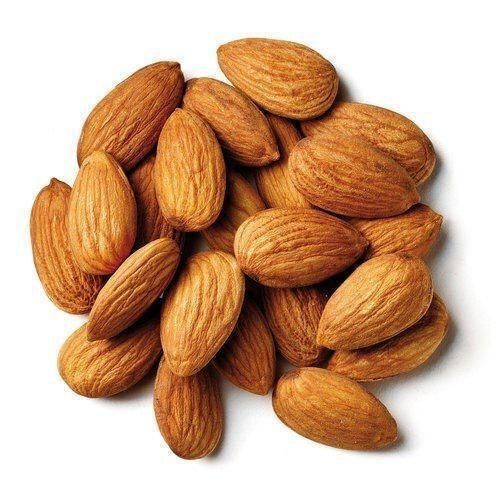
An almond is the edible seed of a Prunus dulcis tree (a drupe fruit), known for its nutty flavor, crunchy texture, and rich nutrients like Vitamin E, protein, and healthy fats, commonly eaten raw, roasted, or used in confections like marzipan, with varieties ranging from sweet (culinary) to bitter (for oil). Botanically a seed, it grows in a leathery hull inside a hard shell, harvested from trees native to Mediterranean climates, with California being a major producer
Botanical & Physical Description
- Type: A seed from a drupe fruit, often called a "tree nut".
- Tree: A small, deciduous tree (4-10m tall) with pink/white flowers.
- Fruit: A leathery hull (outer coat) surrounds a hard, woody shell (endocarp), which holds the seed (kernel).
- Harvest: Matures in autumn, 7-8 months after flowering, when the hull splits.
- Flavor: Nutty, often with notes of marzipan, fruity, woody, or chocolate.
- Texture: Crunchy when raw, softer when blanched, chewy when roasted.
Nutritional Profile (per 1 oz/23 almonds)
- Macronutrients: High in healthy monounsaturated fats, protein, and fiber; low in carbs.
- Vitamins & Minerals: Excellent source of Vitamin E, magnesium, manganese, copper, phosphorus, and riboflavin.





 Send Inquiry


 Send Inquiry